The Next Wave: Former Players Poised to Lead as NBA Coaches
Introduction
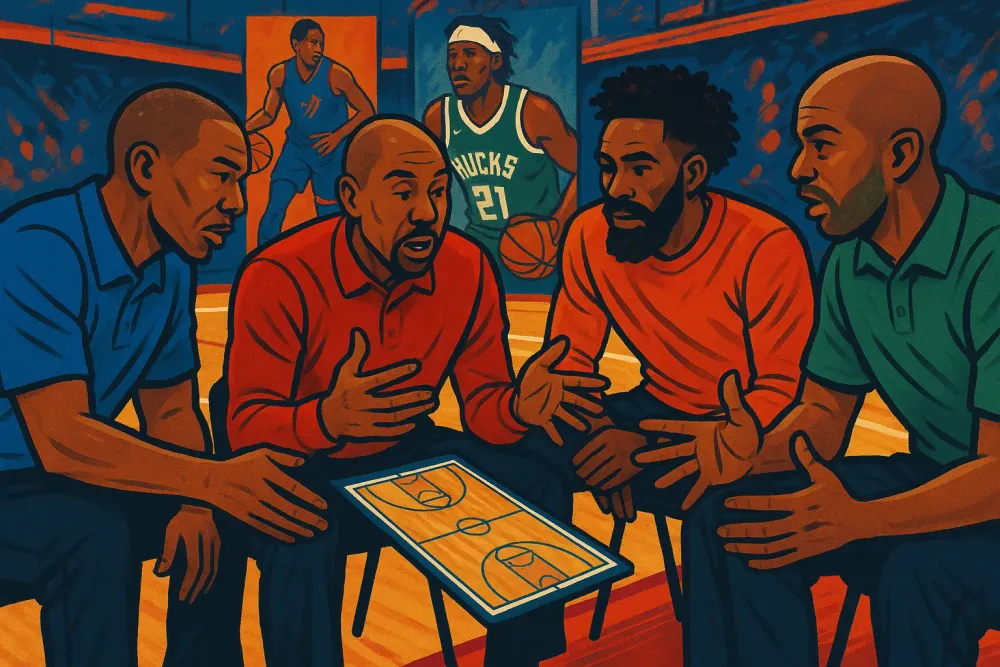
In the world of the NBA, the journey from player to head coach is an intriguing one. While playing experience isn’t a strict requirement for coaching, it does play a significant role in the effectiveness and relatability of a coach. Currently, about one-third of NBA head coaches have personal experience wearing an NBA jersey. This article explores the profiles of several former NBA players who possess the qualities and experiences that may lead them to successful coaching careers.
Why Playing Experience Matters
The transition from player to coach can provide a unique perspective that enhances the coach's understanding of the game. Many former players bring insight from their varied experiences, which often include overcoming challenges, understanding team dynamics, and relating to players at different levels of skill and commitment. A diverse career, particularly one that involves multiple teams and coaching styles, can also enrich a coach’s strategies and philosophies. Additionally, point guards are often seen as ideal candidates for head coach positions due to their leadership role on the court.
Jamal Crawford: The Veteran Voice
Playing Career: 20 years; nine teams; 14.6 points, 3.4 assists, 2.2 rebounds; three-time Sixth Man of the Year winner Strengths: Jamal Crawford's post-playing career has been largely dedicated to commentating, which has allowed him to showcase his basketball knowledge. His unique perspective as a long-time reserve can resonate with players at all levels, particularly those who find themselves in less prominent roles.
Weaknesses: While Crawford is an offensive specialist, there are questions about his defensive acumen. Additionally, his experiences with toxic team dynamics in previous organizations may limit his understanding of effective and harmonious team environments.
Jrue Holiday: The Defensive Specialist
Playing Career: 17 years; five teams; 15.9 points, 6.2 assists, 4.2 rebounds; two-time All-Star, two-time champion Strengths: With two championship titles to his name, Jrue Holiday offers invaluable insight into the commitment and sacrifice required for success. His ability to operate in a team-oriented system makes him relatable to players who feel equally unrecognized in their contributions.
Weaknesses: Despite his extensive experience, Holiday’s selfless play might create challenges in relating to players who don’t consistently embrace such a mindset, potentially leading to friction in the locker room.
Garrett Temple: The Respected Leader
Playing Career: 16 years; 12 teams; 5.8 points, 2.2 rebounds, 1.6 assists Strengths: Garrett Temple has spent much of his career serving in leadership roles, where he has developed a reputation for guiding younger players. With an extensive career as a journeyman, Temple brings a wealth of experience and a strong character to potential coaching roles.
Weaknesses: Temple lacks significant playoff experience, which might affect his credibility when discussing winning at the highest levels. His insights may be more theoretical than practical when addressing postseason challenges.
Mike Conley: The Steady Performer
Playing Career: 19 years; three teams; 13.7 points, 5.5 assists, 2.9 rebounds; one All-Star, one All-Defense Strengths: Known for his consistency and steady performance, Mike Conley’s long tenure in the league has equipped him with an adaptable mindset—ideal for a head coach. His extensive playoff experience also provides depth to his understanding of the game.
Weaknesses: Conley's impeccable record of sportsmanship raises questions about whether he can effectively advocate for his players when necessary. His financial security might also lead to speculation about his motivation to pursue a coaching path.
Chris Quinn: The Underdog Story
Playing Career: Six years; four teams; 4.5 points, 1.9 assists, 1.1 rebounds Strengths: Chris Quinn’s journey from undrafted player to long-time assistant coach exemplifies the classic underdog narrative. His comprehensive experience within a successful organization like the Miami Heat demonstrates his understanding of the rigors behind a rigorous coaching environment.
Weaknesses: Quinn's primary coaching experience has come from a well-structured system, and he may face challenges when adapting to less organized environments. Nonetheless, brief stints with other teams add some diversity to his background.
Conclusion
As the NBA continues to evolve, the trend of former players transitioning into coaching roles is likely to encourage a new generation of coaches who exhibit unique insights and experiences. From Jamal Crawford's deep understanding of the bench role to Jrue Holiday's championship wisdom, each potential candidate brings a diverse set of tools to the coaching table. As they prepare to take on this pivotal role, the NBA can anticipate the arrival of a new wave of coaching talent that not only understands the game but also embodies the spirit of teamwork and perseverance.