NBA Faces Tough Choices as Tanking Debate Heats Up
Introduction
The issue of tanking in the NBA has become a significant topic of discussion, prompting NBA Commissioner Adam Silver to announce plans for "substantial changes" in the upcoming season. Tanking, the practice of deliberately losing games to secure a higher draft pick, raises important questions about competition and the integrity of the league. Silver has warned of the "unintended consequences" that may arise from any changes, as he aims to balance the needs of franchises looking to rebuild with the desire to maintain a competitive league.
The Background of Tanking in the NBA
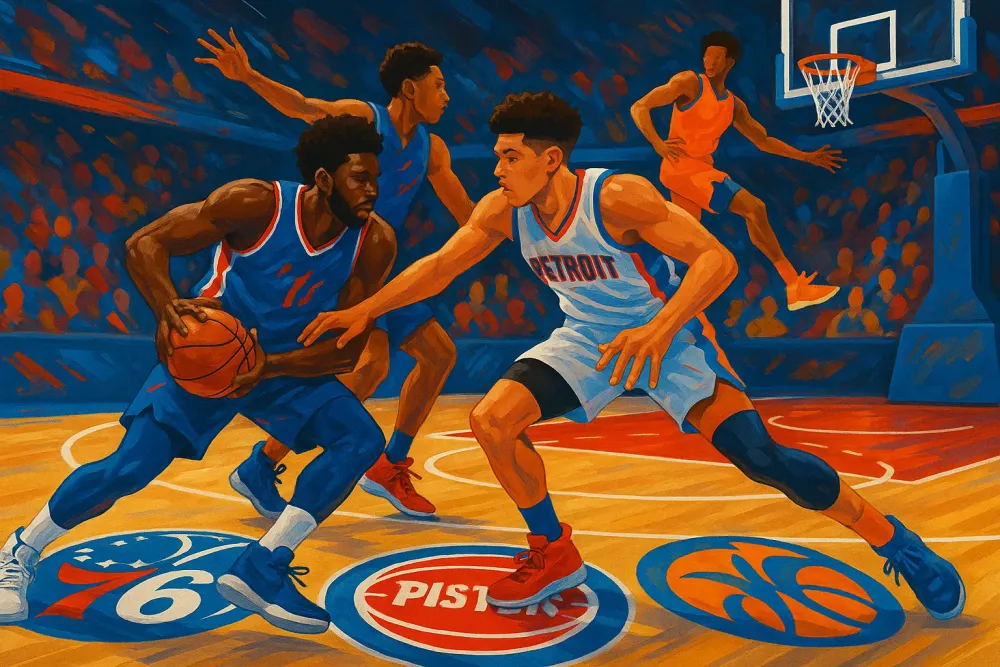
Historically, teams like the Philadelphia 76ers have embraced tanking strategies, most notably during the infamous "Process" from 2014 to 2016. Under then-general manager Sam Hinkie, the Sixers adopted a plan that aimed to stockpile high draft picks by intentionally losing games, leading to an average of over 20 losses per season. While this strategy eventually landed them top draft talent, it also drew criticism from fans and officials alike.
Since then, the league has made efforts to deter such practices, including a rule change in 2019 that altered the lottery odds in favor of teams ranked 3-14, thus decreasing the incentive for bottom-tier teams to lose. Teams like the Detroit Pistons endured challenging stretches of poor performance, all in hopes of drafting talent like Cade Cunningham, instilling renewed hope in their franchises.
The Complexity of Tanking
Current discussions focus on how the league can address the inherent competition imbalances caused by tanking. Silver's recognition of the need for change highlights the core problem: incentivizing teams to win rather than lose. This aims at addressing the perception that some franchises may be artificially lowering their competitiveness to gain lottery advantages.
Among the proposed changes discussed during a recent GM conference call are suggestions to freeze lottery odds close to the trade deadline and make roster adjustments to prevent teams from taking drastic steps that lead to intentional losses. Questions are raised about distinguishing between naturally bad teams and those that are strategically tanking to acquire top talent.
Proposed Changes and Their Implications
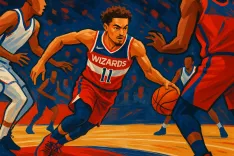
Silver and league officials face criticism that some proposed changes may further exacerbate existing issues, rather than resolve them. Modifying the lottery system to reduce team incentives for losing might inadvertently stagnate teams that genuinely need time to regroup and rebuild. For instance, a longer gap may arise for franchises like the Houston Rockets and Wizards, which have struggled to find their footing after years of subpar records.
Additionally, the league's expansion of the playoff ecosystem to include a play-in tournament has not fully corrected the issues caused by tanking. Teams on the edge of the playoff bubble may question the merit of pushing for a postseason berth, potentially choosing to focus on securing a higher draft pick instead.
Historical Context and Future Considerations
Analyzing trends from 2019 to 2025, data shows a consistent number of teams struggling to exceed 20 wins. Changes made to flatten lottery odds have presented challenges for franchises aiming for high draft selections. The potential restructuring of the lottery could mean tougher paths for teams looking to rebound.
Various historical instances, such as the proclaimed "Philadelphia Process" or the Detroit Pistons' resurgence post-tanking, underline the diverse outcomes that arise from such strategies. While the Sixers navigated their way back to competitiveness, other franchises have lagged, only to face the harsh reality of needing multiple seasons of rebuilding.
Conclusion: Navigating the Future of the NBA
The NBA's dilemma revolves around maintaining genuine competition while disincentivizing the tanking culture. The current landscape reveals that simply adjusting the lottery odds or tinkering with playoff structures may produce further issues rather than rectify them. As the league looks to implement changes ahead of the next season, a balanced approach is necessary—one that considers the complexities of team rebuilding, player development, and fair competition.
Ultimately, the responsibility lies with the NBA to create a system that fosters a competitive environment while allowing teams an opportunity for growth. As more discussions ensue, the forthcoming changes may redefine the landscape, shaping how franchises pursue success in a league that must strike a balance between competition and strategic patience.