NBA Trade Deadline Opens with Major Moves by Bulls, Cavs, and

Introduction
The NBA trade deadline has always been a time for teams to reshape their futures, and this season is no different. Following the offseason blockbuster of Trae Young to the Washington Wizards, a series of trades on Saturday night shook the league yet again. Particularly intriguing trades involved the Chicago Bulls, Cleveland Cavaliers, and Sacramento Kings. Here, we dive deep into the implications and outcomes of these trades as we track the unfolding chaos leading up to the Feb. 5 buzzer.
Starting the Trade Cycle: Bulls, Cavaliers, and Kings
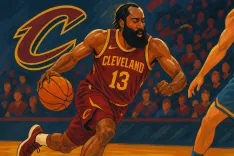
The Chicago Bulls initiated the latest round of NBA trades by acquiring Dario Šarić and multiple second-round draft picks while sending Keon Ellis and Dennis Schröder to the Cavaliers. This trade sets the stage for an intense evaluation period as teams aim to either bolster their rosters or offload assets before the deadline.
Trade Breakdown
Chicago Bulls Receive: Dario Šarić, 2027 second-round pick (from Denver, via Cleveland), 2029 second-round pick (least favorable of Detroit, Milwaukee and New York, via Sacramento)
Cleveland Cavaliers Receive: Keon Ellis, Dennis Schröder
Sacramento Kings Receive: De'Andre Hunter
Grading the Trades
Chicago Bulls: A
The Bulls' trade was a bold move that indicates a shift in their strategy. They are not just stockpiling prospects but are instead making a calculated decision that could lead to rewarding returns. Bringing in Šarić allows them to leverage the Zach LaVine exception while waiving Jevon Carter, thus engaging in asset accumulation that was previously uncharacteristic of the Bulls' front office. The Bulls' ability to now manage their cap space effectively within the context of their expiring contracts is promising. Maybe they are ready to challenge the prevailing narrative about their trade strategies.
Cleveland Cavaliers: B+
For the Cavaliers, trading away power forwards for guards presents a mixed bag. De'Andre Hunter's acquisition provides a new dimension, although his performance has never quite matched expectations. By trading Hunter, Cleveland has effectively reduced their financial commitments by about $50 million, which raises eyebrows especially when team governor Dan Gilbert is involved. While Ellis may not match Hunter's physical presence, his defensive skills could prove beneficial. Additionally, acquiring Schröder gives depth to their roster and potentially increases their flexibility moving forward.
Sacramento Kings: D
The Kings' decision to trade for Hunter raises questions. Despite Hunter's size advantages, he struggled to fit in with a roster already saturated with guards. By trading away capable players like Ellis and acquiring Hunter, the Kings seem to have made a step back. Their strategy to consolidate their roster around fewer guards could lead to complications, particularly if Hunter's current form continues to falter.
Upcoming Challenges for the Hawks and Wizards
In another notable trade, the Atlanta Hawks sent Trae Young to the Washington Wizards, receiving Corey Kispert and CJ McCollum in return. This trade is particularly pivotal, considering Young's previous impact in the league.
Atlanta Hawks: C
For the Hawks, if this trade is indeed the best they could secure for Young, it becomes clear that they missed earlier opportunities to maximize his value. While they gain cap space, concerns abound regarding their offensive efficiency in the wake of Young’s departure. Adjusting to new players like Kispert and McCollum will be crucial for maintaining their competitiveness, particularly as they navigate a challenging season.
Washington Wizards: B+
The Wizards' acquisition of Trae Young is a calculated risk. Young's scoring ability alone makes him a tantalizing asset, even if it risks their cap space awareness for the upcoming offseason. The challenge remains for the Wizards to develop a playing style that accommodates Young's ball-dominant nature without stunting the growth of their young roster. Their gamble could pay dividends or make the rebuild longer than anticipated.
Conclusion
The NBA trade deadline is set to bring more surprises, and the recent moves by the Bulls, Cavaliers, Kings, Hawks, and Wizards are just the beginning. Each team is navigating its path toward building a competitive roster amidst the evolving landscape of the league. As we track the coming changes, fans will surely remain engaged and debate the long-term impacts of these pivotal trades.