Dallas Cowboys' Bold Draft Moves: A Missed Shot at the Browns
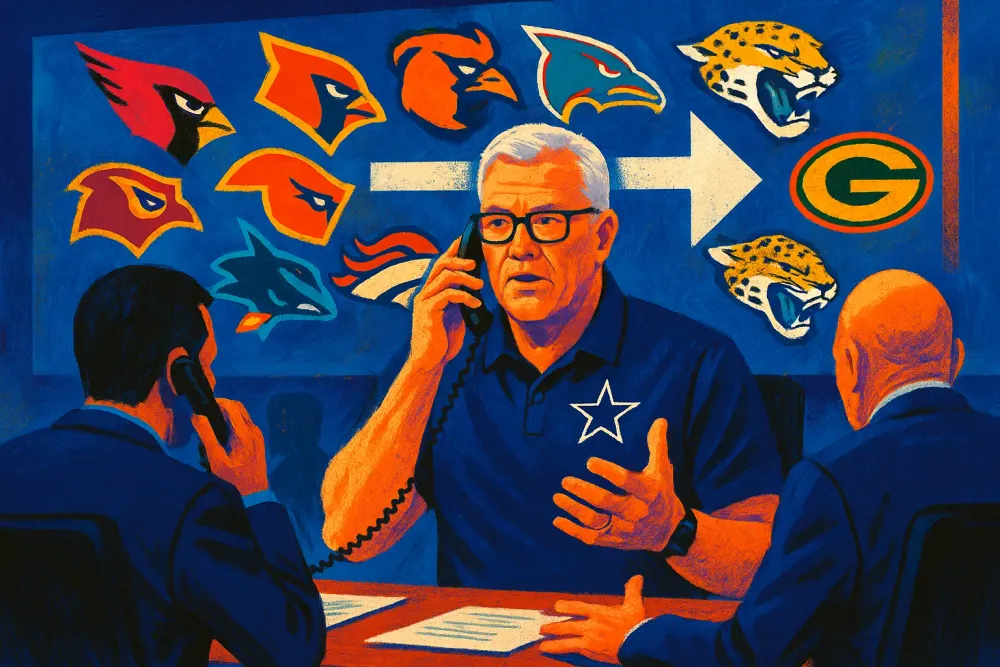
The Dallas Cowboys entered the NFL Draft with ambition, seeking to make significant moves that could reshape their roster. However, their attempts to strike a deal with the Cleveland Browns for a higher draft pick ultimately fell short, revealing the complexities of high-stakes negotiations in the league.
Trade Talks with the Browns
A pivotal moment during the draft came when Cowboys’ executive Stephen Jones engaged in discussions with Browns GM Andrew Berry. The Cowboys proposed a trade that involved sending their first-round picks, the No. 12 and No. 20 selections, alongside a fifth-round pick, in exchange for Cleveland's No. 9 and No. 24 picks. This move was designed to secure a higher-rated player early in the draft.
Unfortunately for Dallas, Berry wasn't interested in making the swap. The Browns opted to retain their No. 9 pick, ultimately choosing Utah offensive tackle Spencer Fano. This decision proved to be astute as it allowed Cleveland to bolster their offensive line, which was a pressing need. It became evident that maintaining the pick was wise when the New York Giants selected an offensive tackle with the very next pick at No. 10.
Strategic Forward Movements
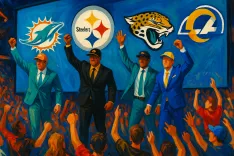
Despite not landing the desired deal with the Browns, the Cowboys were quick to adapt their strategy. They successfully executed a trade with the Miami Dolphins that allowed them to elevate their position to No. 11 in the draft. This strategic move was aimed at securing top talent who could immediately contribute to the team.
With the No. 11 selection, the Cowboys made headlines by drafting Ohio State’s standout safety Caleb Downs. Downs is expected to bring significant defensive prowess to Dallas, showcasing exceptional skills in coverage and tackling, making him a vital addition to their secondary.
Backtracking with the Eagles
The Cowboys' draft strategy didn’t stop there. After making their pick, they opted to trade back once again, dealing their No. 20 pick to a divisional rival, the Philadelphia Eagles. This move allowed Dallas to slide down to the No. 23 position in the first round.
While trading within the division can often be contentious, the Cowboys likely assessed the situation favorably, recognizing that additional picks could be utilized to strengthen other areas of their roster. The trade was emblematic of a situation in which teams must balance immediate needs with long-term vision.
Analyzing the Cowboys' Draft Choices
Overall, the Cowboys' draft decisions reflect a calculated approach to shaping their team. By moving up to select Downs, they added a player capable of making significant defensive contributions. Additionally, while the trade-back with the Eagles raised eyebrows, it also demonstrated a willingness to be flexible in pursuit of team fortification.
The aftermath of this draft period will be closely watched as Dallas prepares for the upcoming season. How these changes manifest on the field remains to be seen, but the decisions made during the draft indicate a clear intention to contend and capitalize on their emerging talent.
Future Implications for the Cowboys
As the dust settles from the 2023 NFL Draft, the focus will now shift to how well these new acquisitions blend into the existing team dynamics. The Cowboys have made a statement with their initial trades and choices, showing they are ready to take calculated risks in pursuit of success.
Ultimately, professional football is about adaptation — both in terms of game strategy and roster management. The Cowboys’ blueprint emerging from this draft could be pivotal as they gear up to face a competitive new NFL season, with the hope that each move they make will lead them closer to the coveted Super Bowl title.